
The monuments

Historical heritage
If you are a history lover and want to enjoy a unique heritage experience, El Perelló has what you are looking for. Discover the most emblematic monuments and points of interest in the municipality.
Download the map with all the Perelló monuments
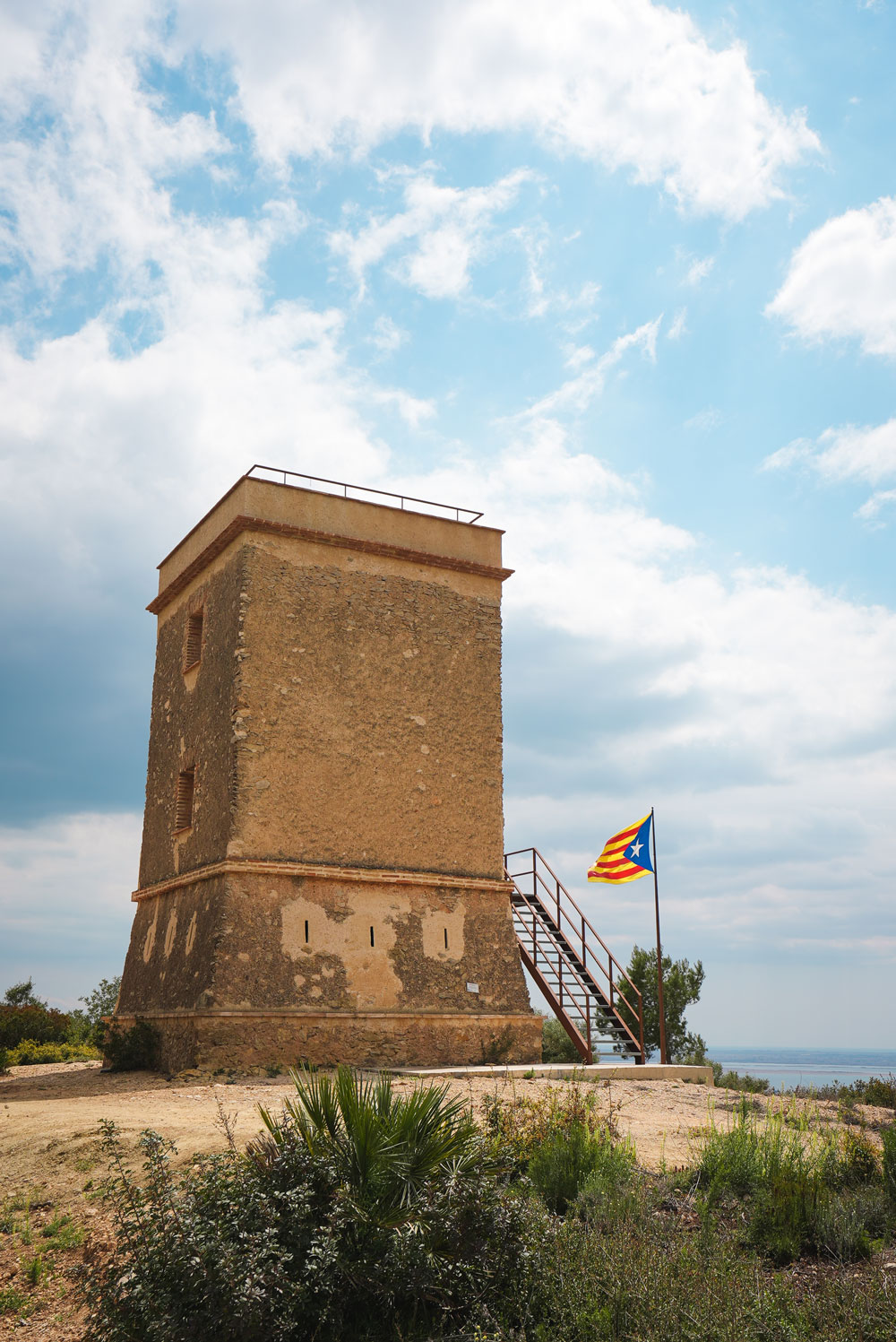
Torre de les Guàrdies
Optical telegraphy tower, built in the middle of the 19th century, no. 47 of the line from Catalonia to Valencia. It is located on top of a hill, at the beginning of "Les Guàrdies". From the top there are beautiful views of the coast, from Cape Salou to the Ebro delta. How to arrive? It is accessed through the south entrance of Perelló, where we will find a roundabout and, a few meters away, we will see the sign on the right. From here, a paved path of 1.5 km will take us to the tower.
Molí de vent
The Windmill is a construction that dates back to 1564, located at the southern entrance to the urban core. For hundreds of years it functioned as a wheat flour mill, produced in the fields of the municipality. It is the first restored mill in Catalonia. It was rebuilt by tailoring each piece. It was inaugurated on September 22, 2001.

Via Augusta
The Via Augusta is the oldest and most important road, it was built by the Romans in the 2nd century and connected Rome to Cádiz. About 4 km of the Via Augusta are currently preserved. The first important stretch is past the hermitage of Sant Cristòfol, where we can see a drain that crosses the Via below. The other section is located next to the current N-340, where we can see a bridge of Roman origin that belonged to the Via Augusta.
Water wells and mines
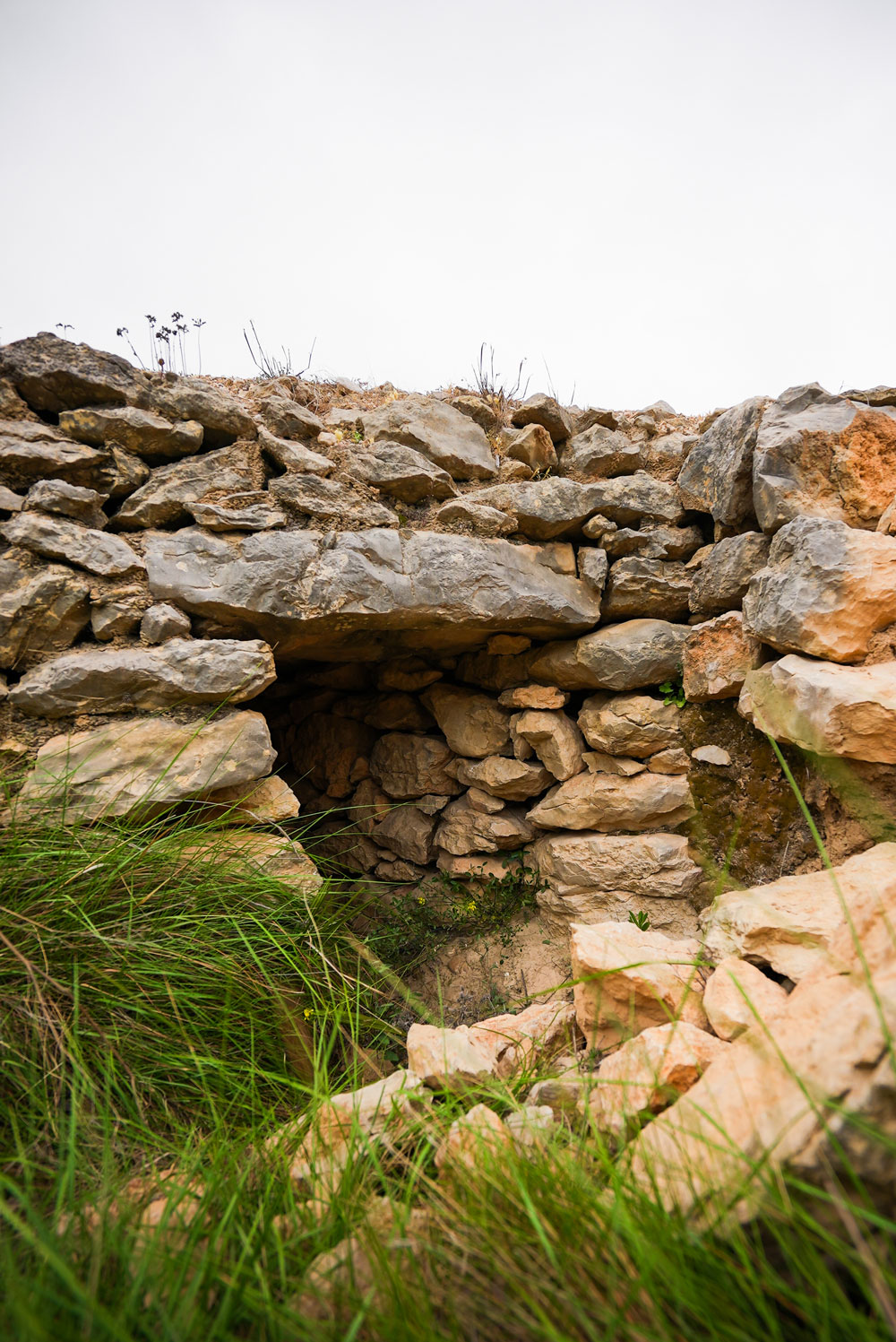
Water has been a very relevant element for Perelló. Since time immemorial, their wells have been noted for their pure and clean waters. The water was extracted from a remote location in the town to avoid contamination due to animals or agriculture. The wells and mines are located at the northern entrance to the town, below the ravine, where travelers and animals used to stop to rest and get water. Some of the most prominent are: Cuitora, Panavera, Ponou and Abeurador.
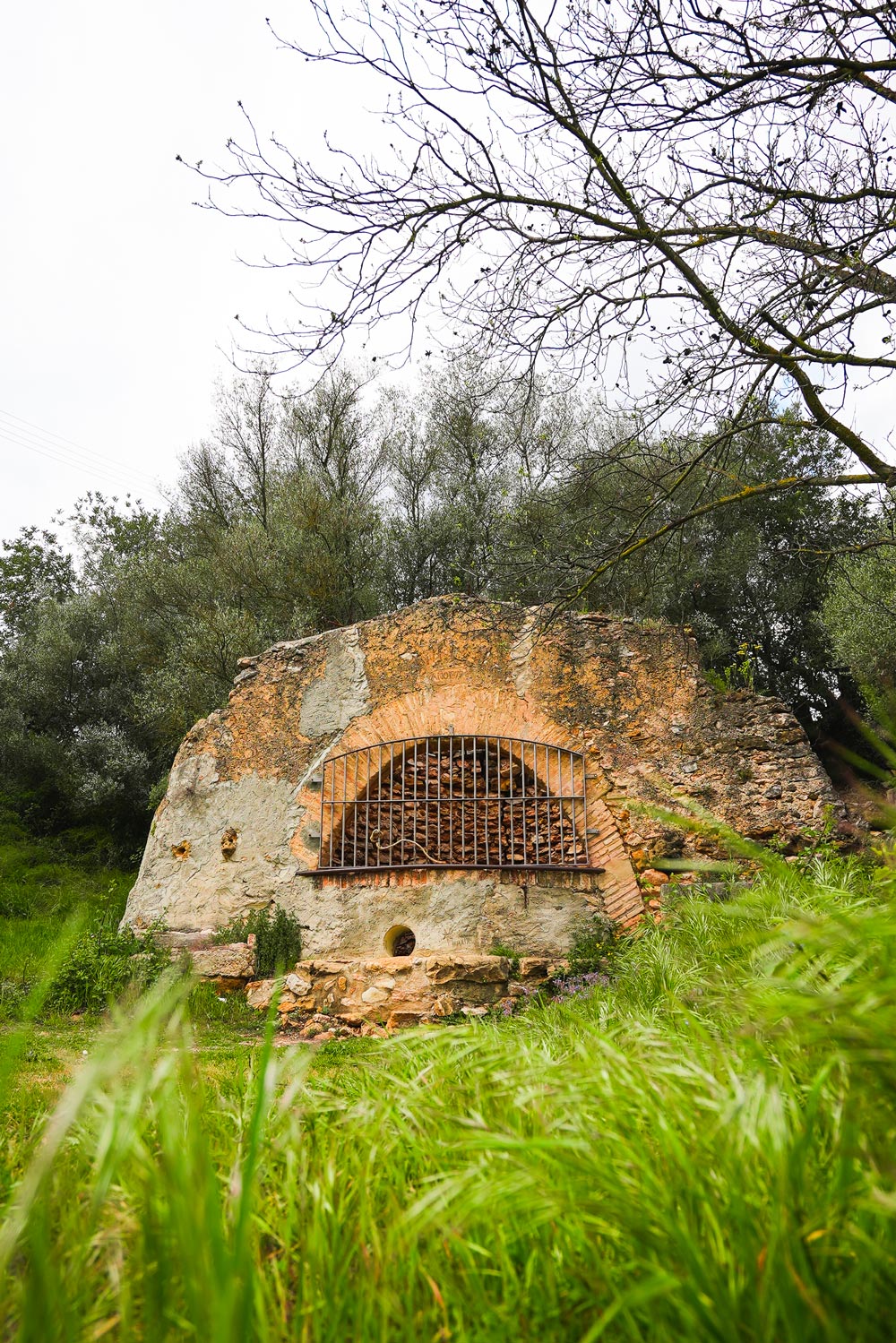
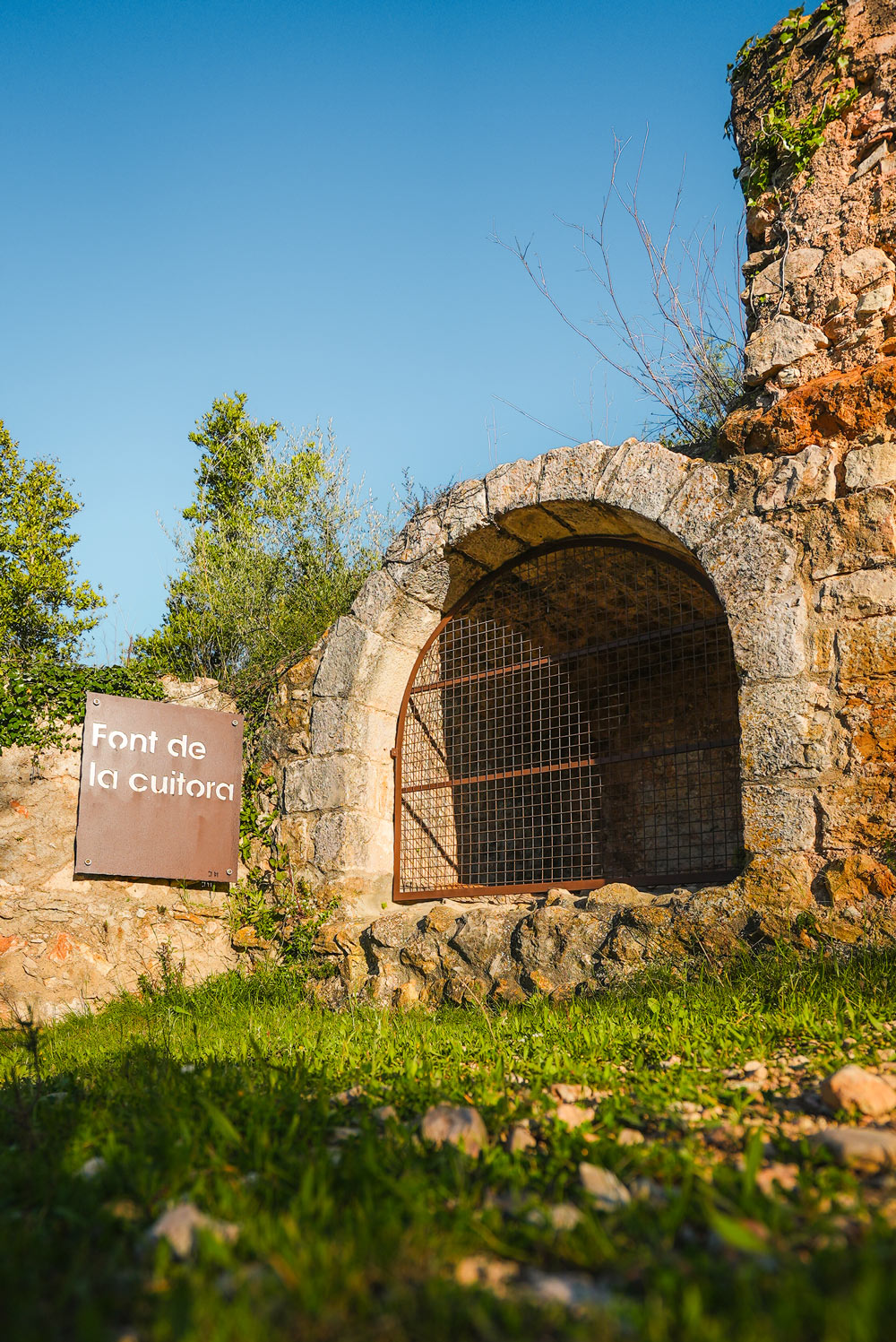
La Cuitora
Monumental fountain with semicircular arch vault. The inner wall is of Roman origin while the arch and the initial vault, which had to fall, were rebuilt later.
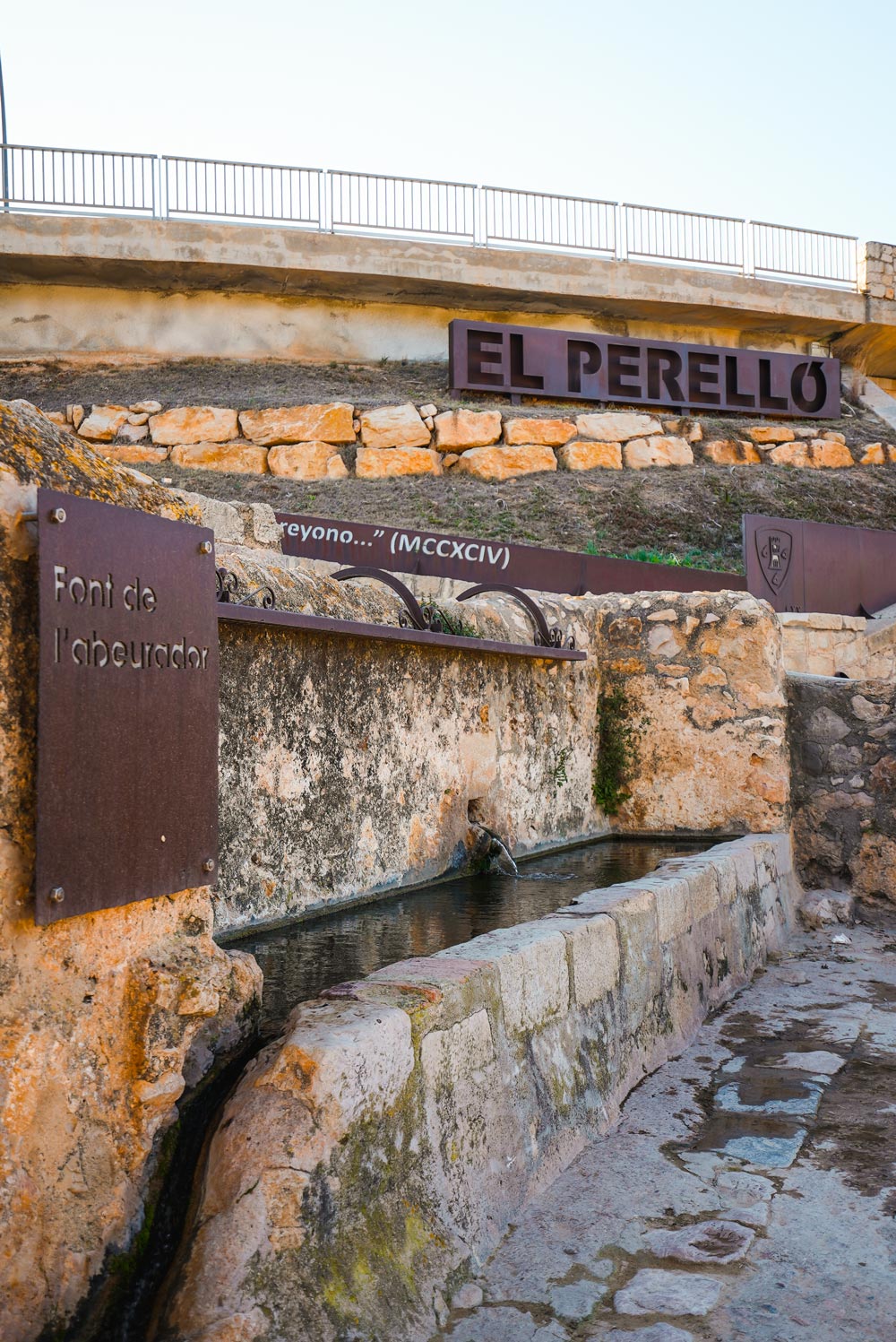
L’Abeurador
Source dating from the Middle Ages. In 1342, an underground aqueduct was already documented in the interior of the town that passed under the current road and reached the ravine. It consists of a lowered half-point arch with a barrel vault. The water comes out through a fountain.
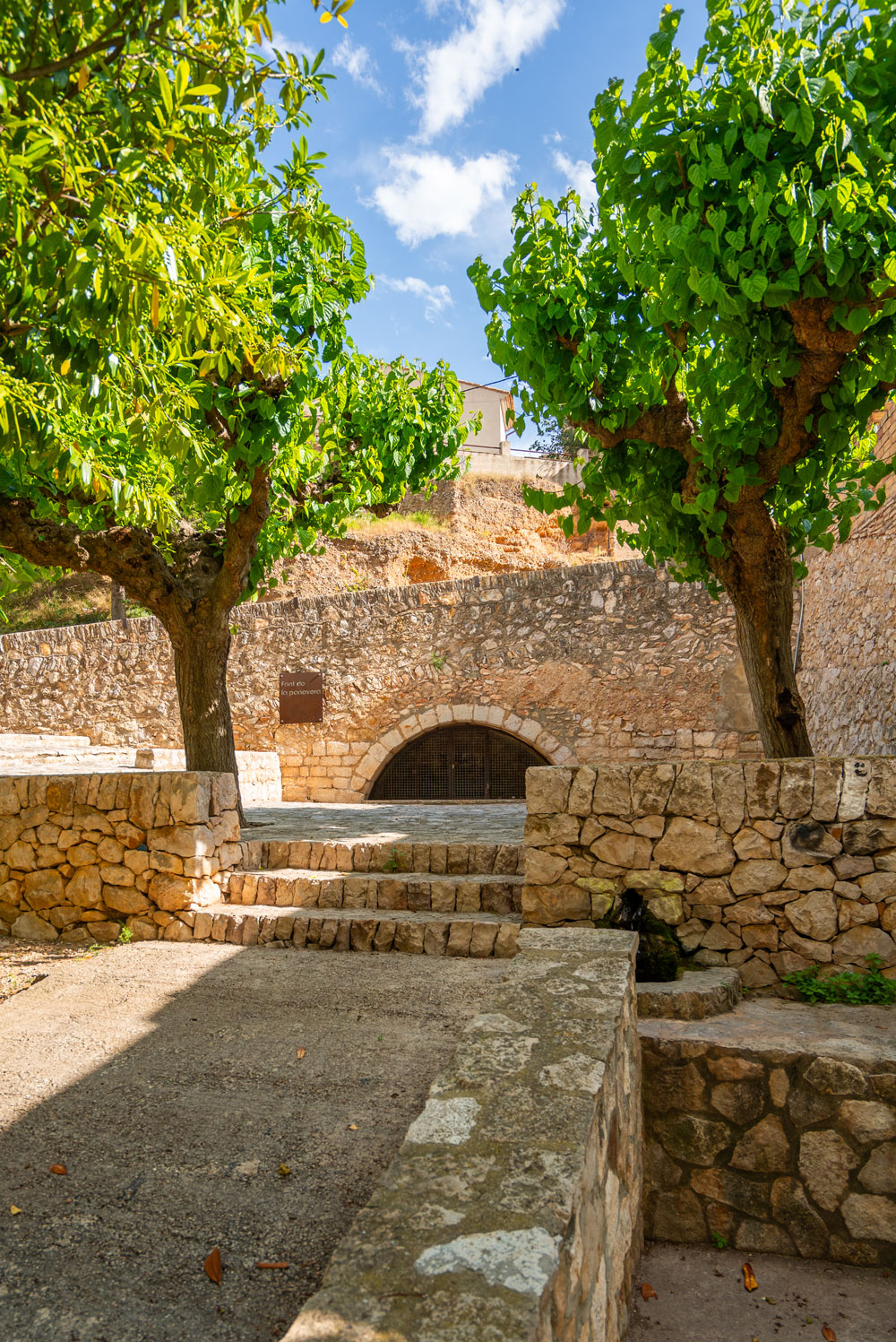
La Panavera
La Font de La Panavera dates, at least, from 1342 and was known as the Font d'En Penevar. The structure is formed by a semi-circular bow and a barrel vault. A few meters down, a small stream of water comes out.
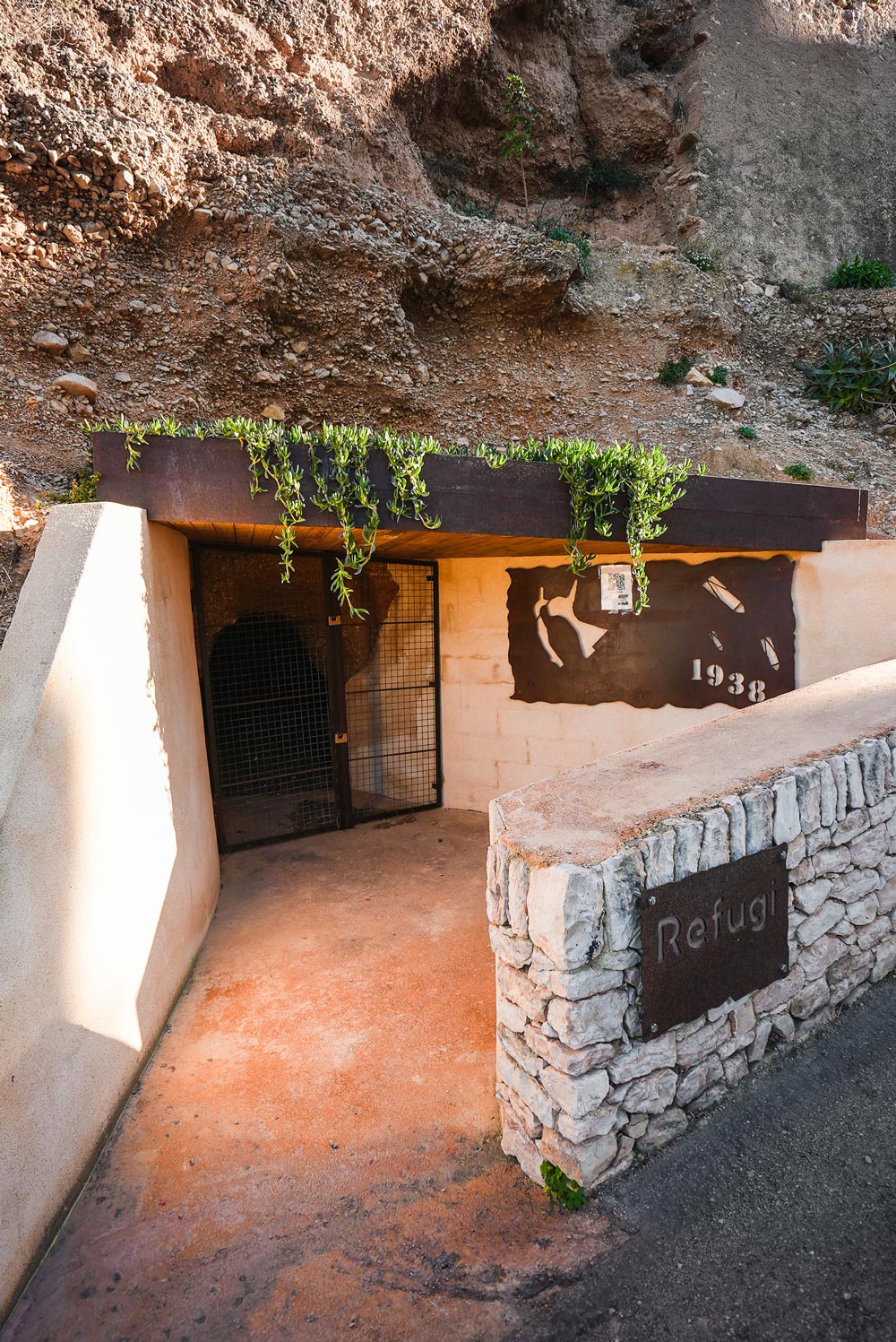
El Refugi antiaeri
It was recovered on the occasion of the anniversary of the fascist bombings that ravaged the town on December 15, 16 and 17, 1938 when the Condor Legion of Nazi Germany dropped more than 2,000 bombs on the urban core.
L’Ermita de Sant Cristòfol
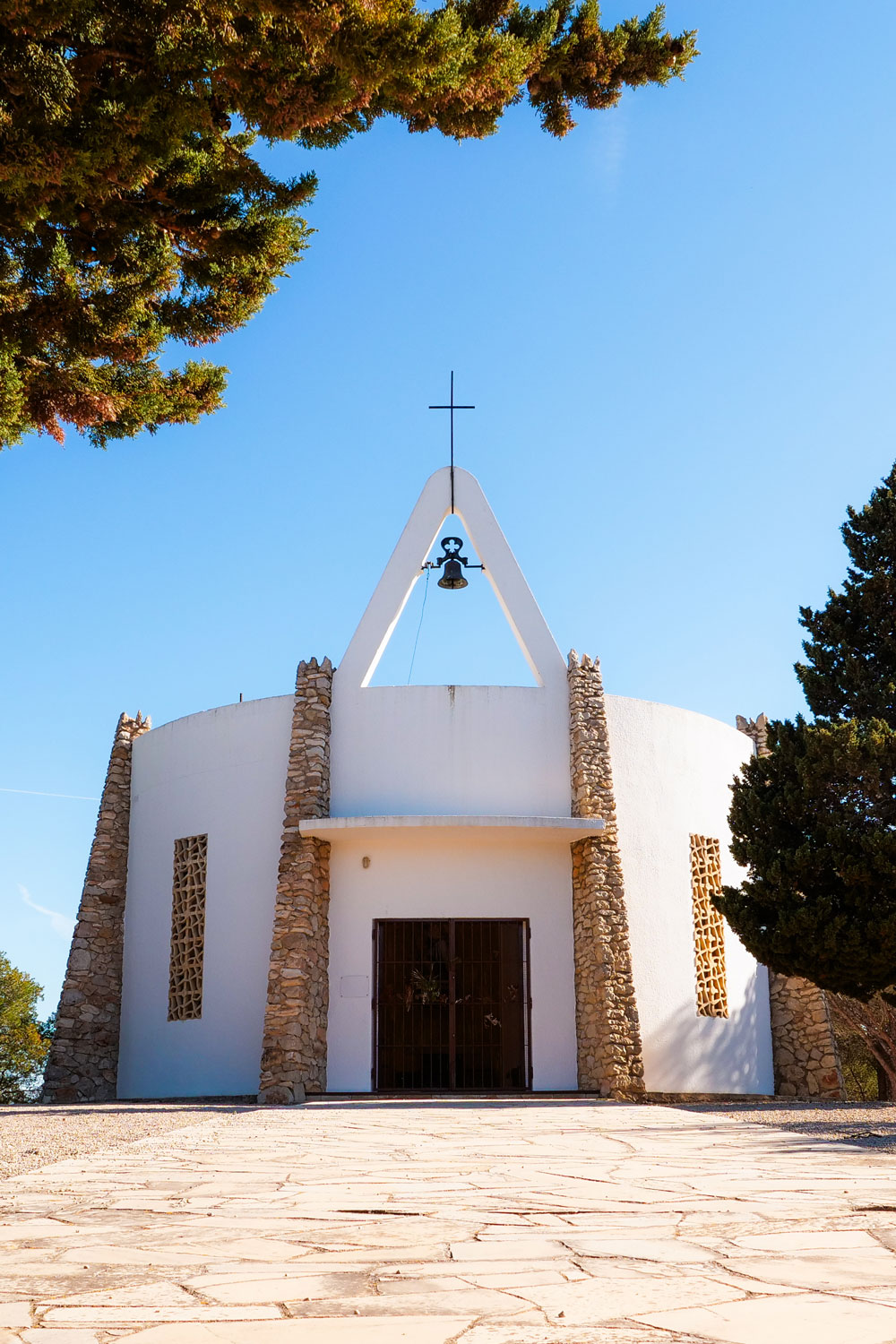
Its construction began in 1885, but it was not until 1976, when with the collaboration of all the people of Perellona, the hermitage was finally finished, which is dedicated to Sant Cristòfol, the Mother of God of Montserrat and Sant Roc. It has a children's play area, barbecues and a picnic area. You can't miss the viewpoint with the panoramic views of the Ebro Delta Natural Park!
The church
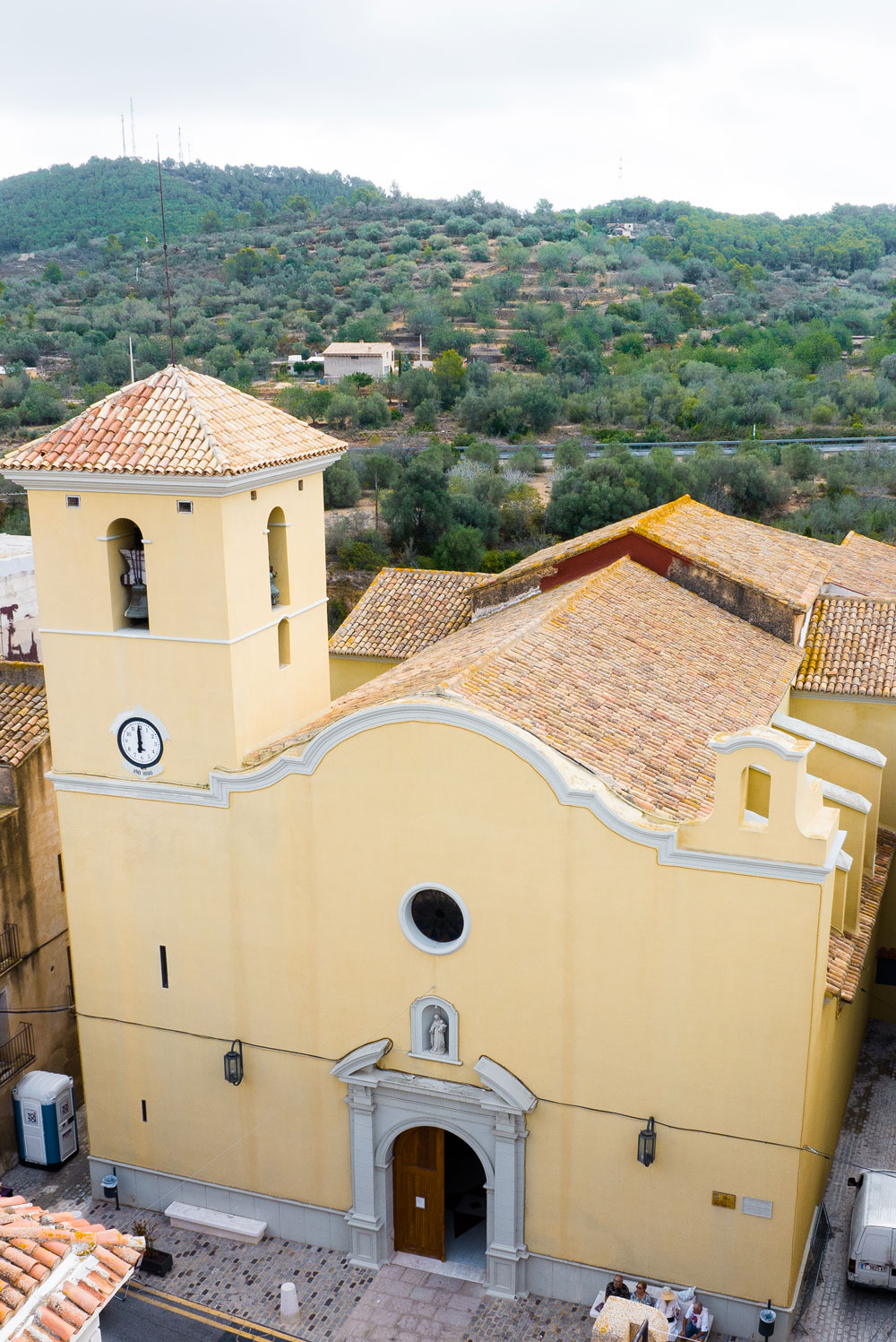
La Mare de Déu de l'Assumpció church is a temple built from 1612 under the invocation of the Assumption of Mary. It was extended considerably between 1840-1860. Inside the chapel of the baptistery there are paintings by Joan Massagué.
Coll de les Forques
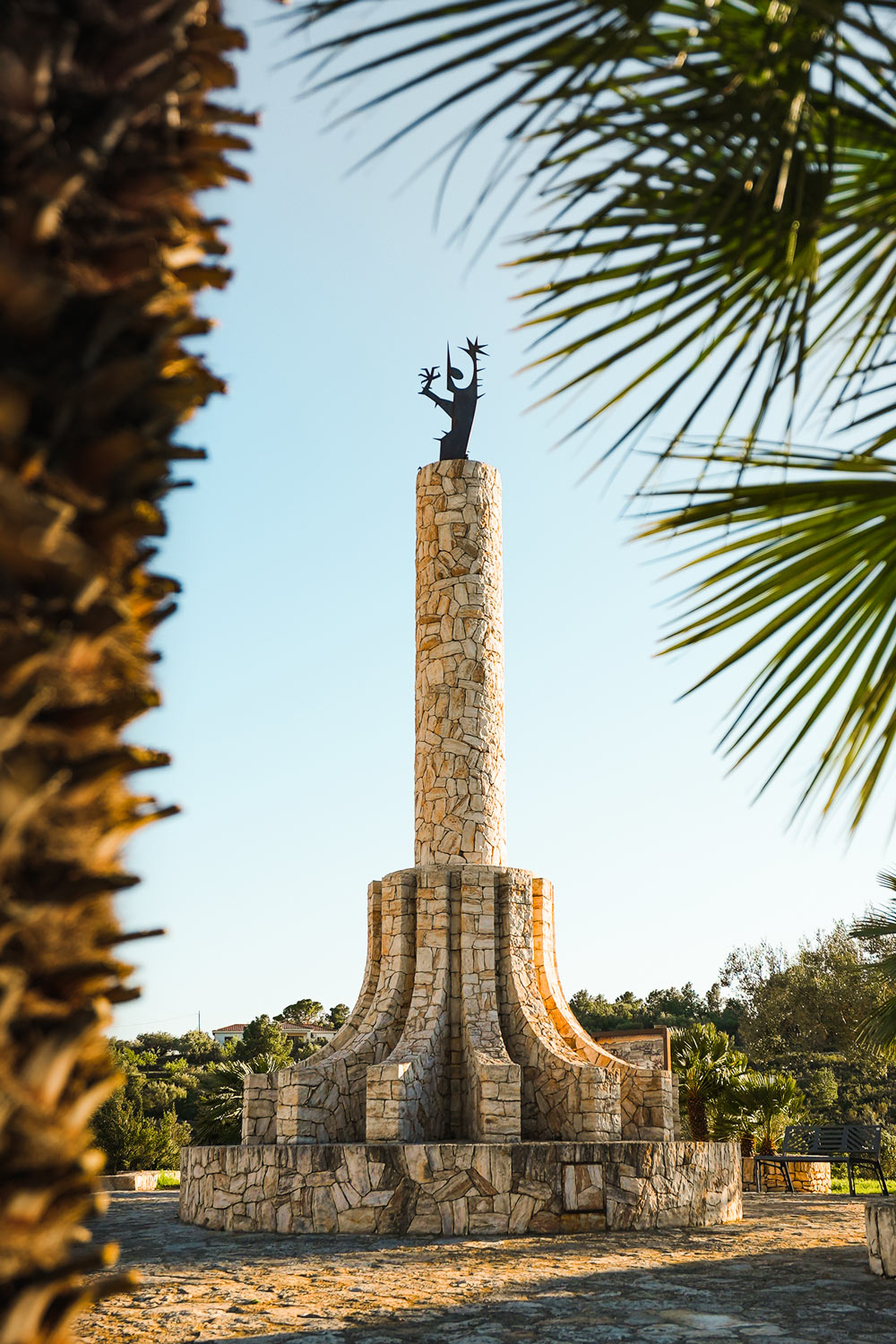
Monument built in honor of 13 perellons who fought against the troops of Felipe IV during the War of the Reapers. In tribute to these deceased clinging to the same Coll and defending the city, the monument was built in 1994 to remember the courage and bravery they showed in the defense of our city and who are commemorated every September 11 . The statue on the monument was designed by the local author, Amadeu Pallarès Lleó.